This is part of a series exploring how Miru dynamic glass is being applied across industries including automotive, marine, wearables, and autonomous systems.
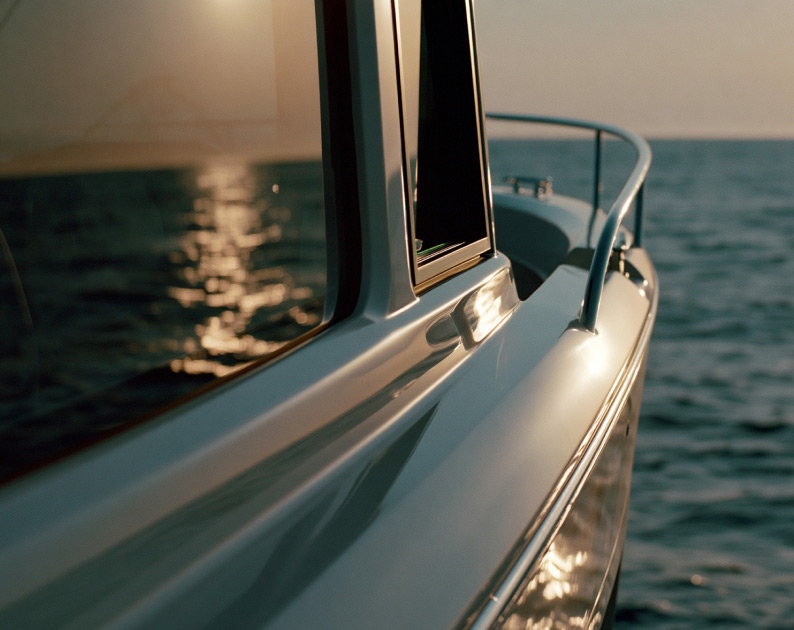
Marine transportation depends on visibility. From ferries and tugboats to yachts and commercial fleets, operators need to read the water, track nearby vessels, approach docks, and respond to changing conditions in real time.
The marine environment presents a unique challenge. Sunlight behaves differently on the water, where reflections intensify glare and conditions change throughout the day. A clear view in the morning can become harsh and distracting by midday, then low-angle glare by sunset.
Marine windows need to do more than provide a view. They need to actively manage light, reduce glare, support safer navigation, and keep passengers comfortable as sun angles and weather conditions change.
Miru’s solution is designed for exactly these conditions.
Miru’s dynamic glass technology transforms marine windows from a passive material into an intelligent surface that automatically adapts to changing light throughout the day.
Instead of forcing operators to choose between bright glare, fixed tint, aftermarket films, or mechanical shades, Miru dynamic glass continuously adjusts its tint. The technology enables precise tint transitions in increments as small as 0.2%, moving from clear to darkened states based on changing sunlight and user preferences.
For marine operators, that means more control over visibility from sunrise to sunset through a durable, integrated glass solution. For passengers, it creates a more comfortable onboard experience, particularly in seating areas exposed to direct sunlight for extended periods.
Beyond improving visibility, Miru dynamic glass can also support more efficient vessel operation. The technology maintains a stable tint without a constant flow of power. Because energy is only required during transitions, Miru dynamic glass can help reduce solar heat gain and lower the load on onboard cooling systems.
For decades, marine windows have simply let light in. The next generation of marine glass will actively manage it. Miru is helping bring that future to the water, today.
Explore how Miru dynamic glass is being deployed across different industries like marine, industrial transport, architecture, automotive and more: https://mirucorp.com/industries/marine-industrial/
Recent Comments