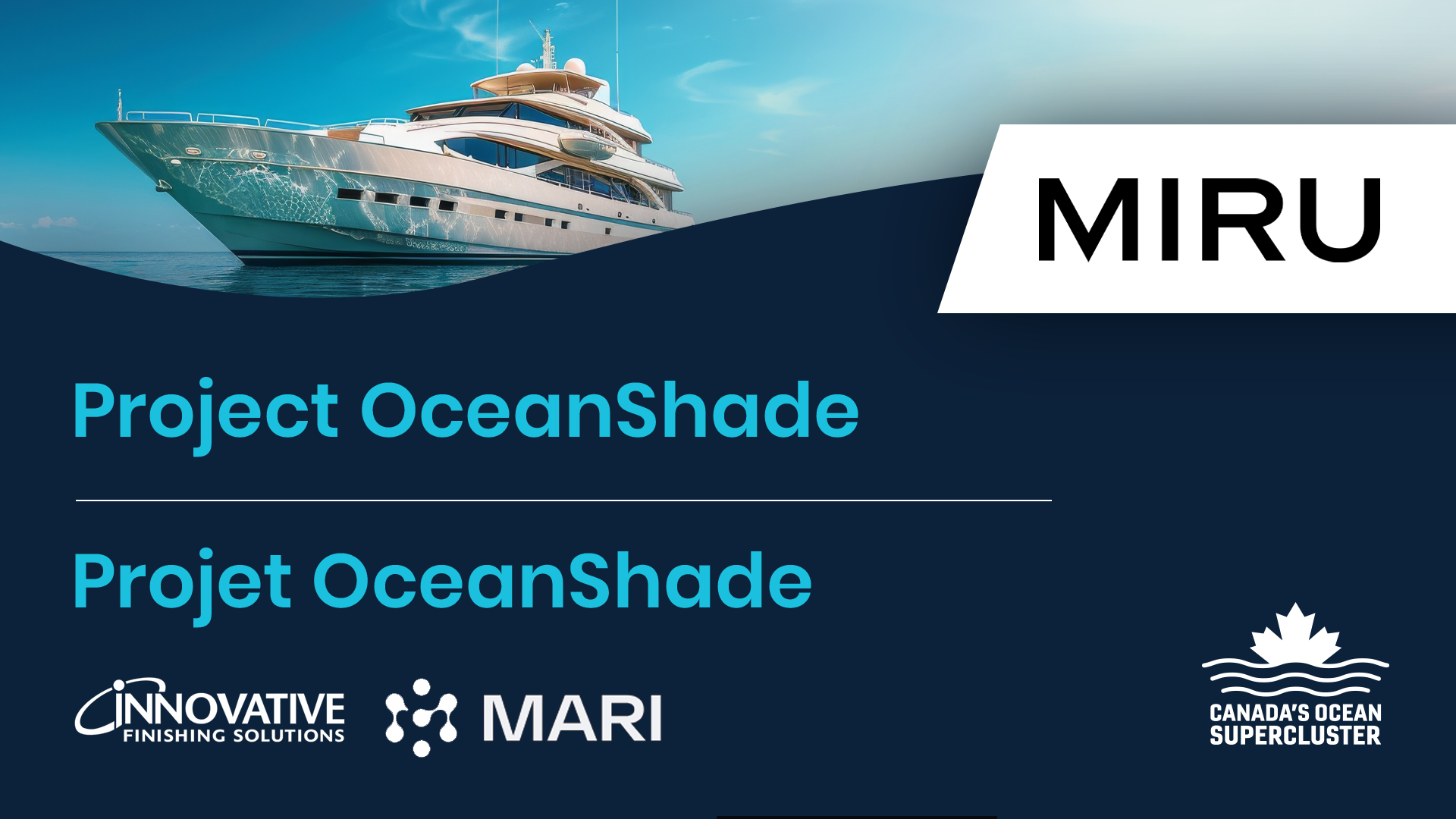
VANCOUVER, BC, July 28, 2026 – Today, Canada’s Ocean Supercluster announced three new ocean innovation projects valued at over $25 million, including the $11.7 million Project OceanShade – Dynamic Electrochromic Marine Glass led by Miru Smart Technologies (Miru). This project is a collaborative initiative to design, develop, and validate Miru dynamic glass – a next-generation smart window system engineered for marine vessels.
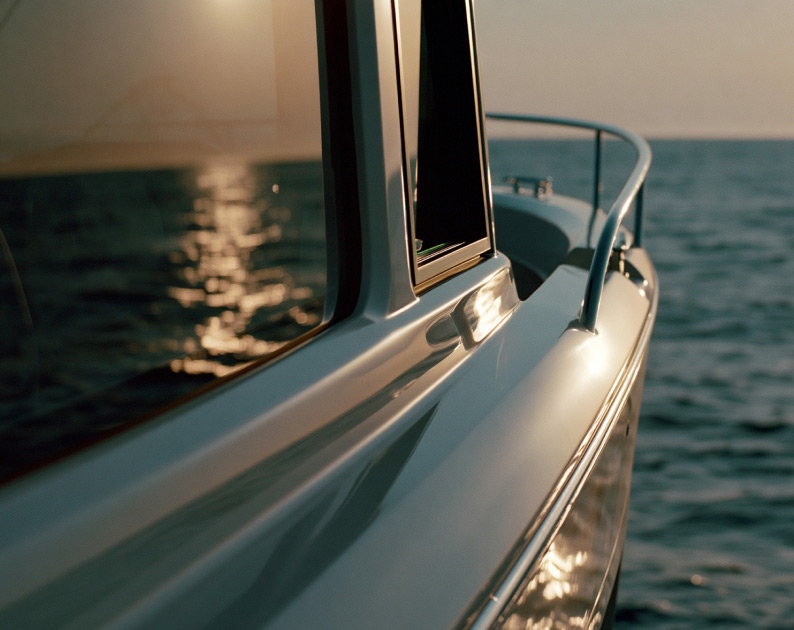
This project will deliver a Canadian-designed and validated dynamic glass system for marine vessels that automatically adjusts window tint in response to changing light conditions. By actively managing glare and solar heat gain, Miru dynamic glass enhances visibility, passenger comfort, and vessel energy efficiency. The Project OceanShade consortium will develop marine‑adapted prototypes, conduct rigorous durability and certification testing, and assemble a complete technical package to support commercial deployment.
The consortium is led by Vancouver, B.C.-based Miru in partnership with Innovative Finishing Solutions in Orangeville, ON and Maple Advanced Robotics in Richmond Hill, ON. With a total project value of $11.7 million, Canada’s Ocean Supercluster is investing $4.1 million, with the balance of funding coming from project partners.
Project OceanShade positions Canadian innovators at the forefront of smart marine glazing, combining advanced materials with AI‑enabled manufacturing processes. The resulting technology will strengthen domestic supply chains, support vessel decarbonization, and open new export opportunities for high‑performance marine systems. This initiative underscores Canada’s growing leadership in sustainable maritime technologies and next‑generation vessel design.
Through Ambition 2035 and together with Canada’s ocean community, we are bold in our ambition to grow Canada’s ocean economy 5X to $220 billion by 2035. Continued investment in the accelerated development and commercialization of globally relevant, made-in-Canada ocean solutions will help us realize this ambition. Read more about recommendations to help achieve this transformational growth opportunity outlined in Charting the Course to 5X Growth in Canada’s Ocean Economy and the projected benefits to Canada here.
—
Media Contacts
Vedika Daswani
Miru Smart Technologies
v.daswani@mirucorp.com
Nancy Andrews
Canada’s Ocean Supercluster
nancy.andrews@oceansupercluster.ca
About Canada’s Ocean Supercluster
Canada’s Ocean Supercluster accelerates the development and commercialization of made-in-Canada ocean solutions in Blue Food, Arctic & Surveillance, Ocean Energy, and Marine Decarbonization, while also growing more companies, creating more jobs, and attracting ocean talent. As Canada’s national ocean cluster, the OSC is a convenor of members, partners, and networks and a catalyst for transformative growth that helps build the robust ecosystem needed to help realize Ambition 2035 – a 5X growth potential in ocean in Canada by 2035. To date, the OSC has approved almost 160 projects valued at more than $600 million, which will deliver more than 300 new made-in-Canada ocean products, processes, and services to sell to the world. Every dollar invested in Ocean Supercluster projects generates more than five times its value in GDP contribution, with the following economic benefits to Canada as of March 2025:
- $1.7 billion in total economic output
- $1 billion in GDP contribution
- Nearly $748 million in total labour income
- Close to 10,000 jobs created
- $286 million in total tax revenues generated
- $295 million in follow-on investment raised
Quotes
“Through investments in innovative projects across marine transportation and decarbonization, advanced manufacturing and sustainable seafood production, Canada’s Ocean Supercluster is supporting Canadian companies in developing and commercializing world-leading technologies. These initiatives will create jobs and opportunities for Canadian communities, expand exports, strengthen Canada’s global competitiveness and accelerate the growth of a stronger, more sustainable ocean economy. By supporting Canadian innovators today, we are ensuring that Canada remains at the forefront of the industries that will shape the future.”– The Honourable Mélanie Joly, Minister of Industry and Minister responsible for Canada Economic Development for Quebec Regions
“Project OceanShade is an excellent example of how Canadian innovation is accelerating the transition to cleaner, more energy efficient marine operations. By integrating advanced smart glass technologies into vessel design, this consortium is helping reduce fuel consumption, cut emissions, and improve onboard performance. Through solutions like Project OceanShade, homegrown technology is strengthening our supply chains, supporting vessel decarbonization, and positioning Canada as a global leader in sustainable maritime systems.” – Kendra MacDonald, CEO, Canada’s Ocean Supercluster
“Miru is building one dynamic glass platform that can be deployed wherever intelligent control of light creates value. With the support of Canada’s Ocean Supercluster and in collaboration with our Canadian partners, Project OceanShade extends that platform into the marine sector, validating our technology in one of the world’s most demanding operating environments, while accelerating the path toward commercial deployment.” – Curtis Berlinguette, Founder and CEO, Miru
“Project OceanShade demonstrates how Physical AI can accelerate the commercialization of Canadian next-generation manufacturing technologies. The future of advanced manufacturing is powered by intelligent, adaptive automation, and we are honoured to contribute our AI-enabled robotics platform to this important initiative.” – Dr. Yi Li, Co-Founder and Executive Vice President of Maple Advanced Robotics
“Innovative Finishing Solutions Inc. is pleased to partner with Miru and Maple Robotics on the Ocean Supercluster project. We look forward to collaborating with these innovative organizations and contributing our expertise in robotic finishing and handling systems to advance this important initiative.” – Brad Sparkman, President & CEO of Innovative Finishing Solutions Inc.
Recent Comments