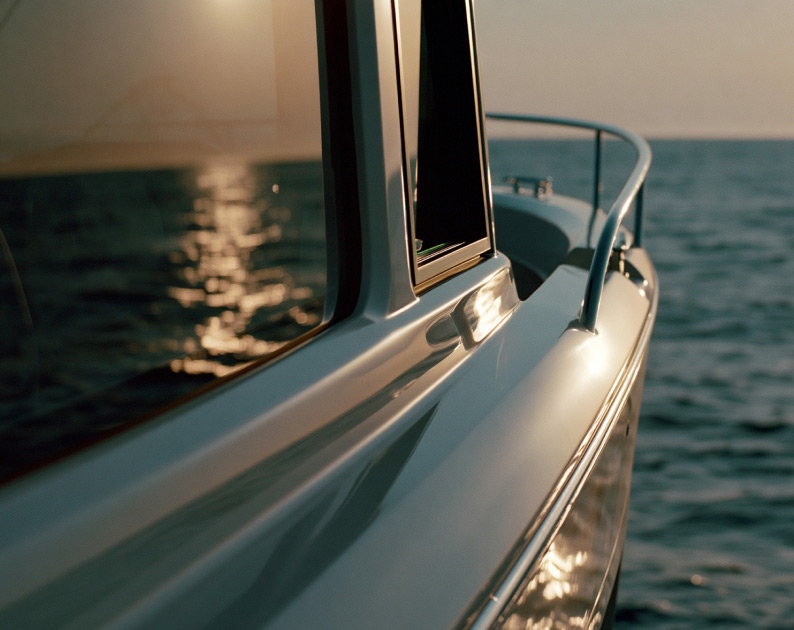
Close up of the windows on the side of a boat cabin reflecting the setting sun and water.

Visibility changes on the water. Glass should too.

This is part of a series exploring how Miru dynamic glass is being applied across industries including automotive, marine, wearables, and autonomous systems. 

Marine transportation depends on visibility. From ferries and tugboats to yachts and commercial fleets, operators need to read the water, track nearby vessels, approach docks, and respond to changing conditions in real time.

The marine environment presents a unique challenge. Sunlight behaves differently on the water, where reflections intensify glare and conditions change throughout the day. A clear view in the morning can become harsh and distracting by midday, then low-angle glare by sunset. 

Marine windows need to do more than provide a view. They need to actively manage light, reduce glare, support safer navigation, and keep passengers comfortable as sun angles and weather conditions change. 

Miru’s solution is designed for exactly these conditions.

Miru’s dynamic glass technology transforms marine windows from a passive material into an intelligent surface that automatically adapts to changing light throughout the day.

Instead of forcing operators to choose between bright glare, fixed tint, aftermarket films, or mechanical shades, Miru dynamic glass continuously adjusts its tint. The technology enables precise tint transitions in increments as small as 0.2%, moving from clear to darkened states based on changing sunlight and user preferences.

For marine operators, that means more control over visibility from sunrise to sunset through a durable, integrated glass solution. For passengers, it creates a more comfortable onboard experience, particularly in seating areas exposed to direct sunlight for extended periods.

Beyond improving visibility, Miru dynamic glass can also support more efficient vessel operation. The technology maintains a stable tint without a constant flow of power. Because energy is only required during transitions, Miru dynamic glass can help reduce solar heat gain and lower the load on onboard cooling systems. 

For decades, marine windows have simply let light in. The next generation of marine glass will actively manage it. Miru is helping bring that future to the water, today.

Explore how Miru dynamic glass is being deployed across different industries like marine, industrial transport, architecture, automotive and more: https://mirucorp.com/industries/marine-industrial/
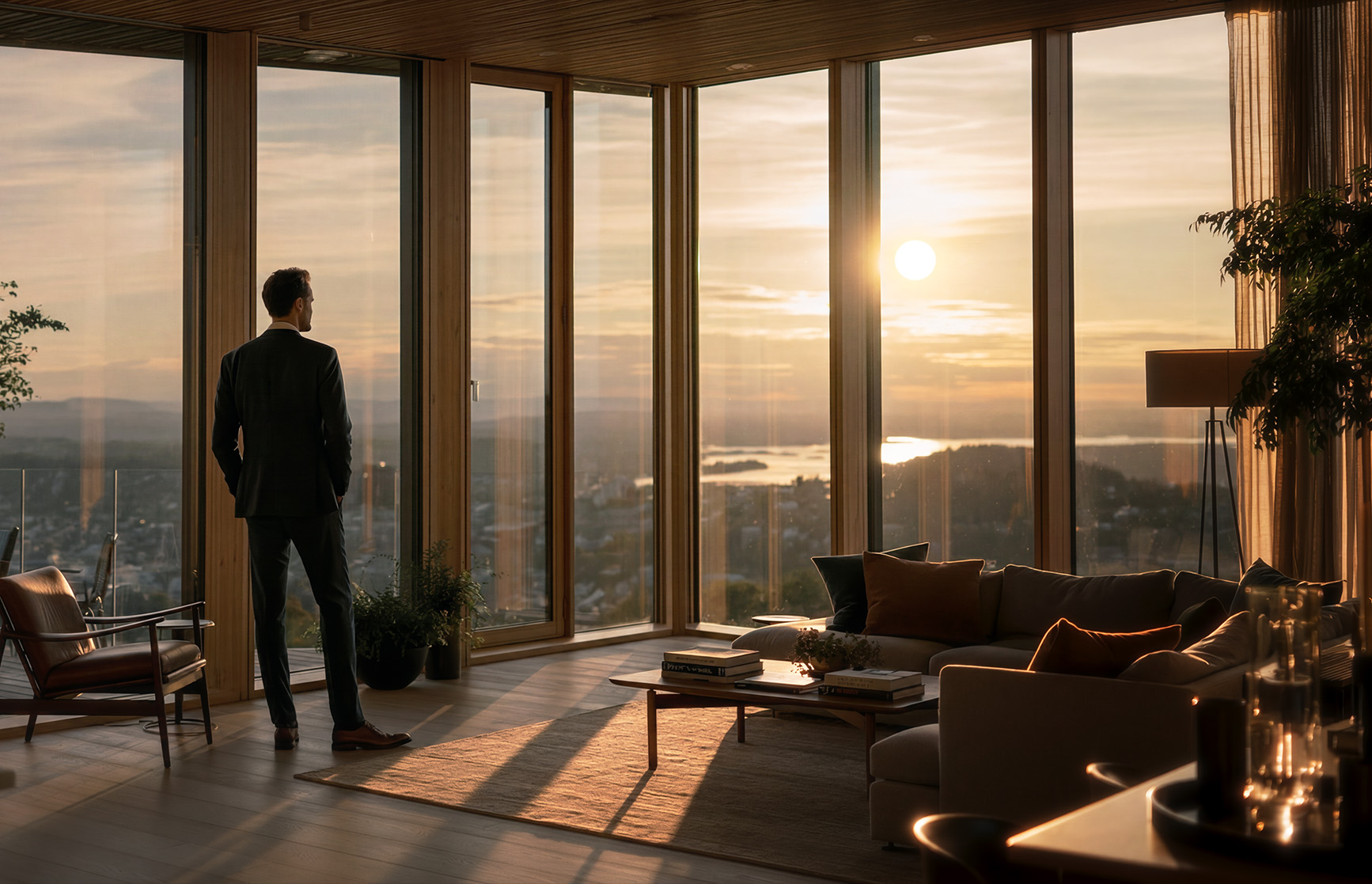
Man in a suit in a luxury apartment looking out large windows at the setting sun.

The future of windows is dynamic

This is part of a series exploring how Miru dynamic glass is being applied across industries including automotive, architecture, wearables, and autonomous systems. 

Buildings today depend heavily on glass. From skyscrapers to airports, academic buildings, and hospitals, expansive windows and glazing have become a defining feature of contemporary architectural design: expanding the view for those on the inside while connecting them with natural light from the outside. 

But with static windows and light come familiar challenges: glare, heat, and high energy bills.

Sharp sunlight creates glare, requiring the costly installation of shades that have breakable parts and spoil the aesthetics. Room temperatures soar, forcing climate-control systems to work overtime to keep the space comfortable, and in some cases, livable. Even in residential buildings, this push and pull boosts the electricity bill by 25 percent.

The environmental cost is also high. Heating, cooling, and lighting buildings accounts for 27% of global greenhouse gas emissions, while building operations generate more than 10 gigatons of CO₂ annually. Improving the performance of windows represents one of the most direct opportunities to reduce that impact.

Windows are overdue for a revolution. 

Not since the 1970s, when low-emissivity (“low-E”) windows first became available, has this critical architectural component been examined and adapted to reflect modern life. 

Low-E windows, which are tinted using thin films applied to glass, are still widely used today, but they are static. They do not react to conditions around them. Because windows are expensive to replace regularly, builders and customers need an adaptive solution that can change with the sun’s position.

Miru’s dynamic glass technology uses low-voltage electrical signals to switch the window’s tinting based on the amount of light coming through it. This can happen automatically, or can connect to Smart Home systems and work like a thermostat, letting users input their own settings. There are many advantages to this approach:

Improved durability.  We spray our solution between layers of glass, so there is no visible film applied to the outside. This means no bubbling, no unprotected edges, no degradation due to the elements – and therefore, longer warranties.

Better design flexibility. The spray method gives builders the freedom to use windows of all shapes and curvatures, which are increasingly employed in modern buildings. 

Enhanced aesthetics. Miru’s interlayer is completely colorless. With our ultra-low haze, window views can be enjoyed without interruption. 

Lower carbon footprint. Smart windows can improve a building’s energy efficiency by up to 20%. As adoption grows, dynamic glass has the potential to eliminate up to two gigatons of CO₂ emissions annually while creating more comfortable and sustainable buildings.

Crystal-clear, climate-friendly dynamic glass is the next critical step in reducing global energy consumption while providing its people with greater comfort, safety, and well-being. Miru’s dynamic glass technology is driving that revolution.

Explore how Miru dynamic glass is being deployed across different industries: https://mirucorp.com/industries/architectural/